

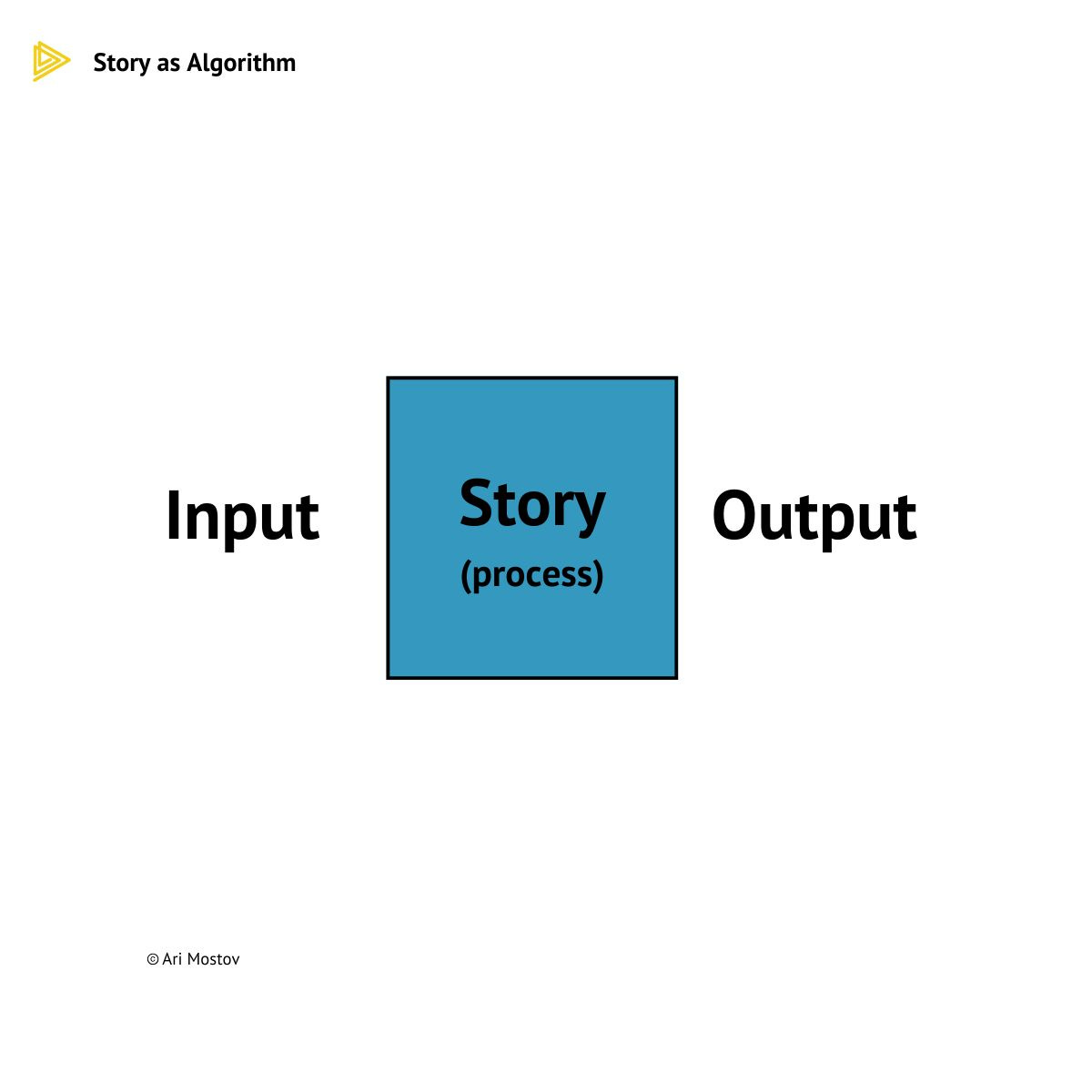
Have you ever thought about how we could “program” ourselves much like we do computers? Computers operate on a simple principle: they take an input, run it through an algorithm (process), and produce an output. Take typing on a keyboard, for example:
Input: When you type, you’re giving input to the computer—let’s say you type “Hello, World!” into a document.
Process: The computer processes your keystrokes, interpreting each key press and converting it into digital data.
Output: The result? You see the words “Hello, World!” appear on your screen.
Computers execute this perfectly because they’ve been programmed that way.
Humans, however, are a bit more complex. We don’t just run on logic and data; we’re driven by emotions, motivations, and stories. I believe the right story can act like our own personal algorithm.
To create change or achieve a new outcome, we need more than just facts or data—we need compelling stories that resonate with us emotionally. By crafting a story that is tailored to a specific audience or situation, we can effectively guide ourselves and others toward the desired “output” or change we want to see.
Learn how to use story and storytelling as algorithm in my on-demand webinar: intro to narrative strategy